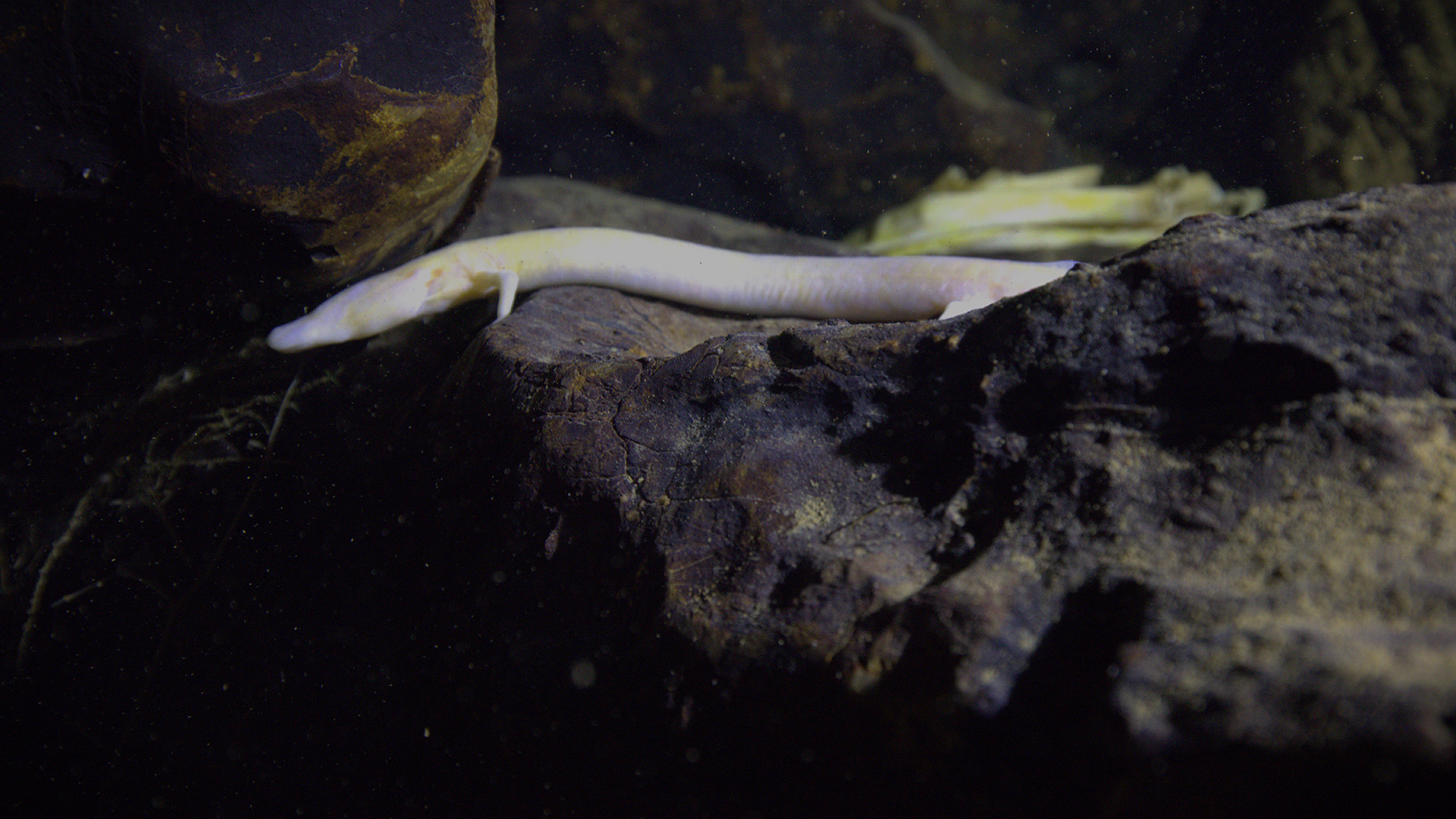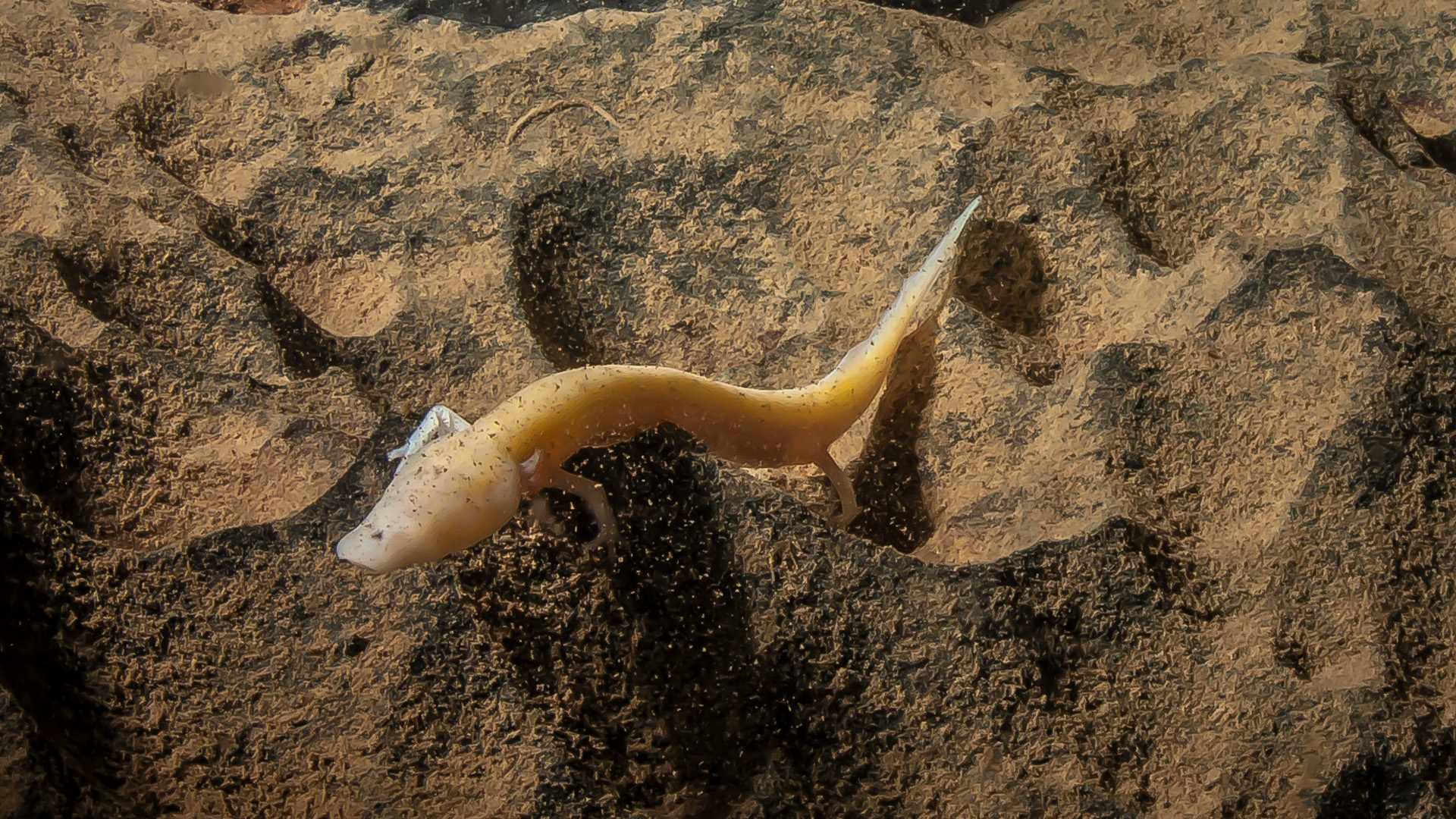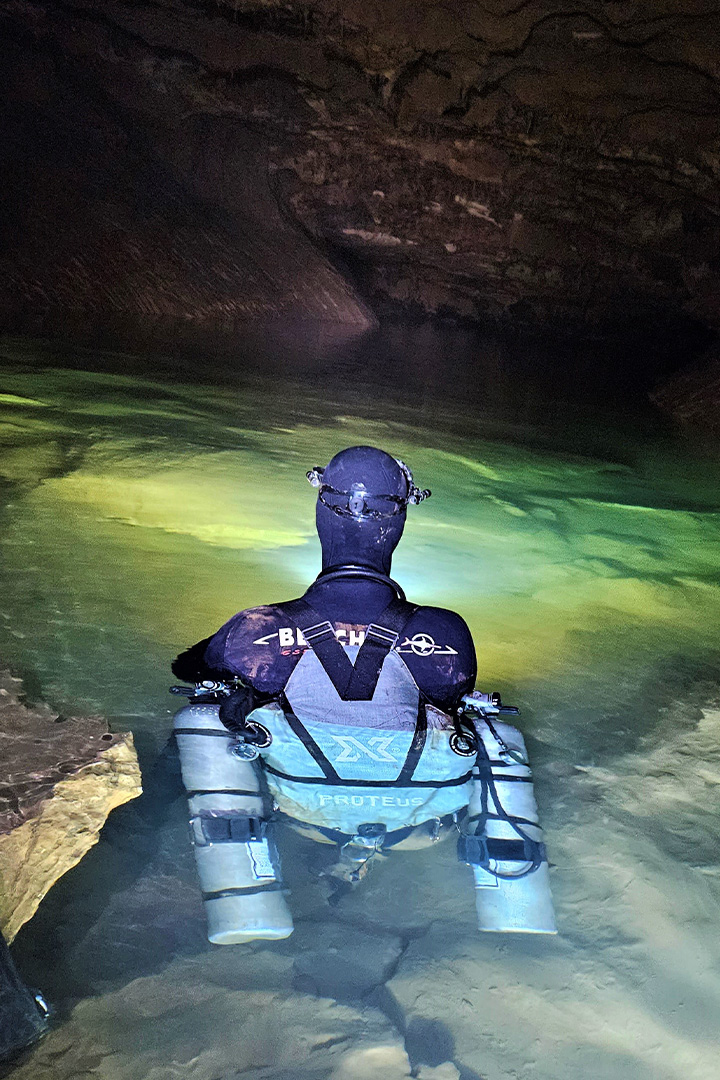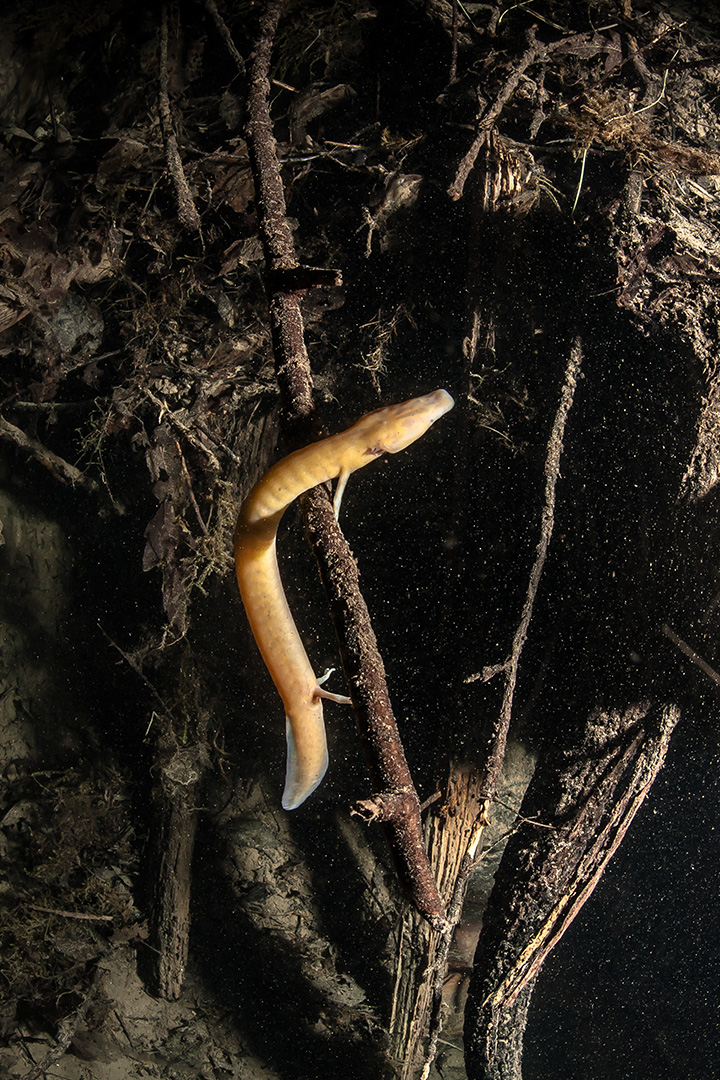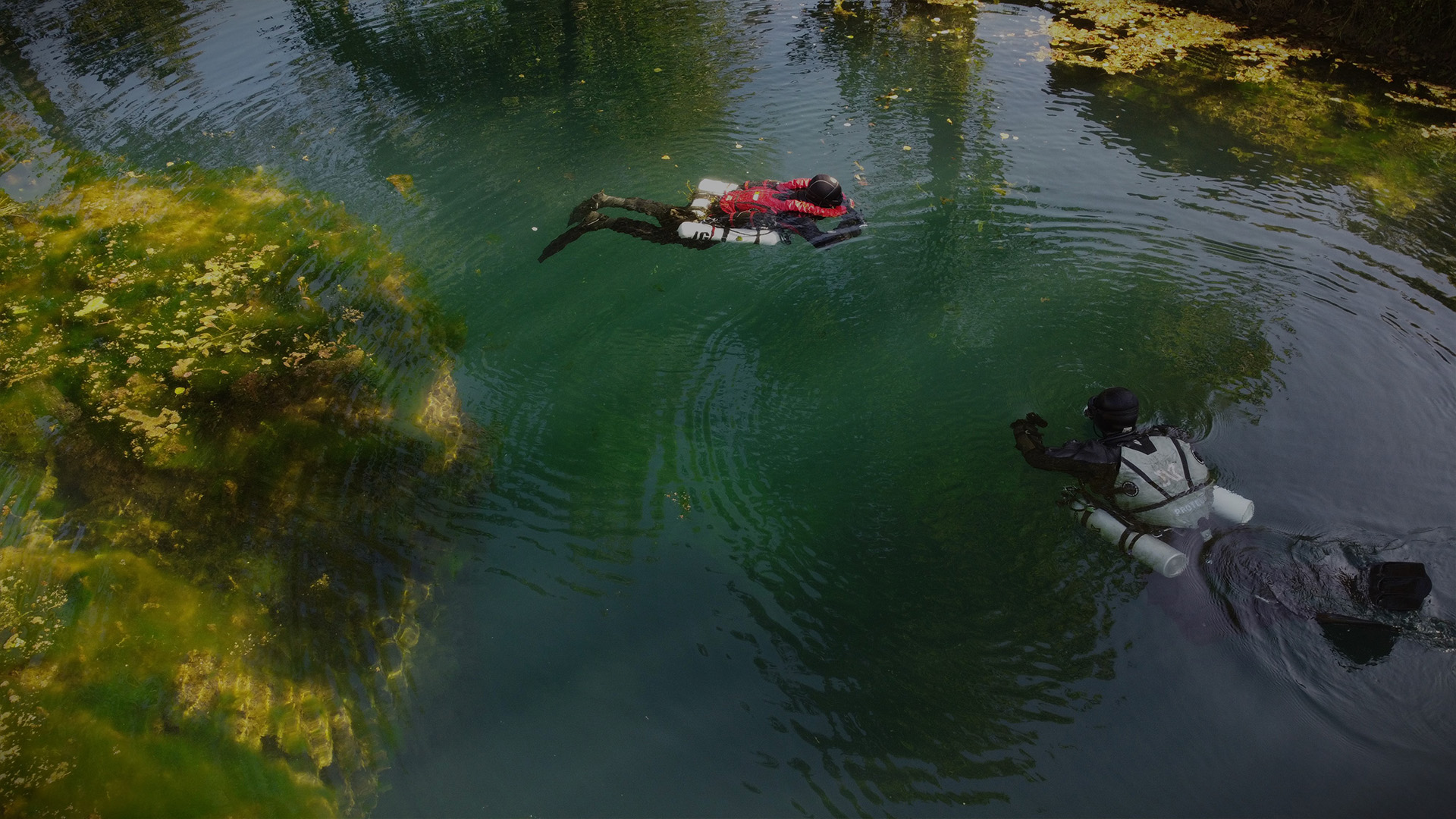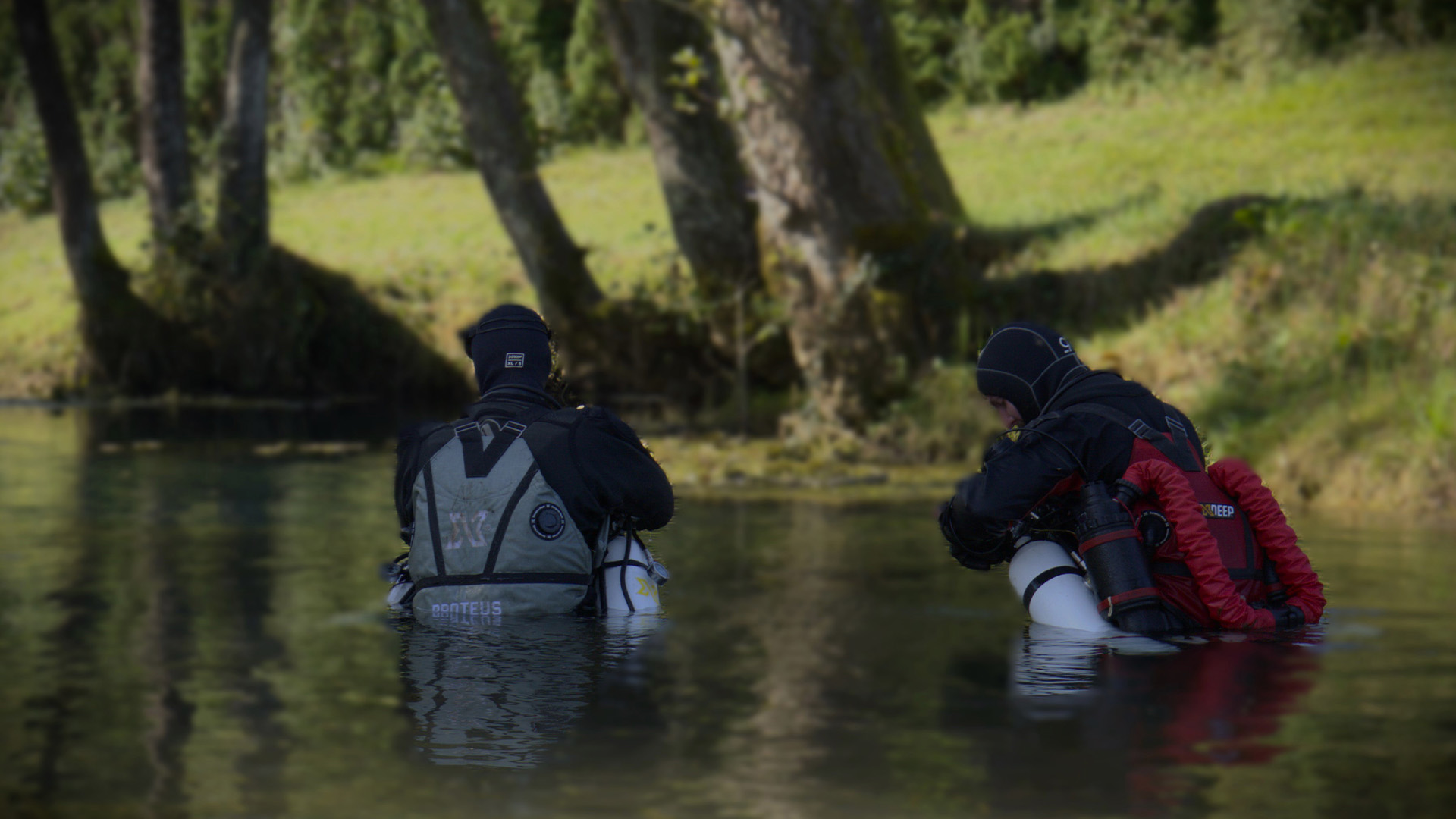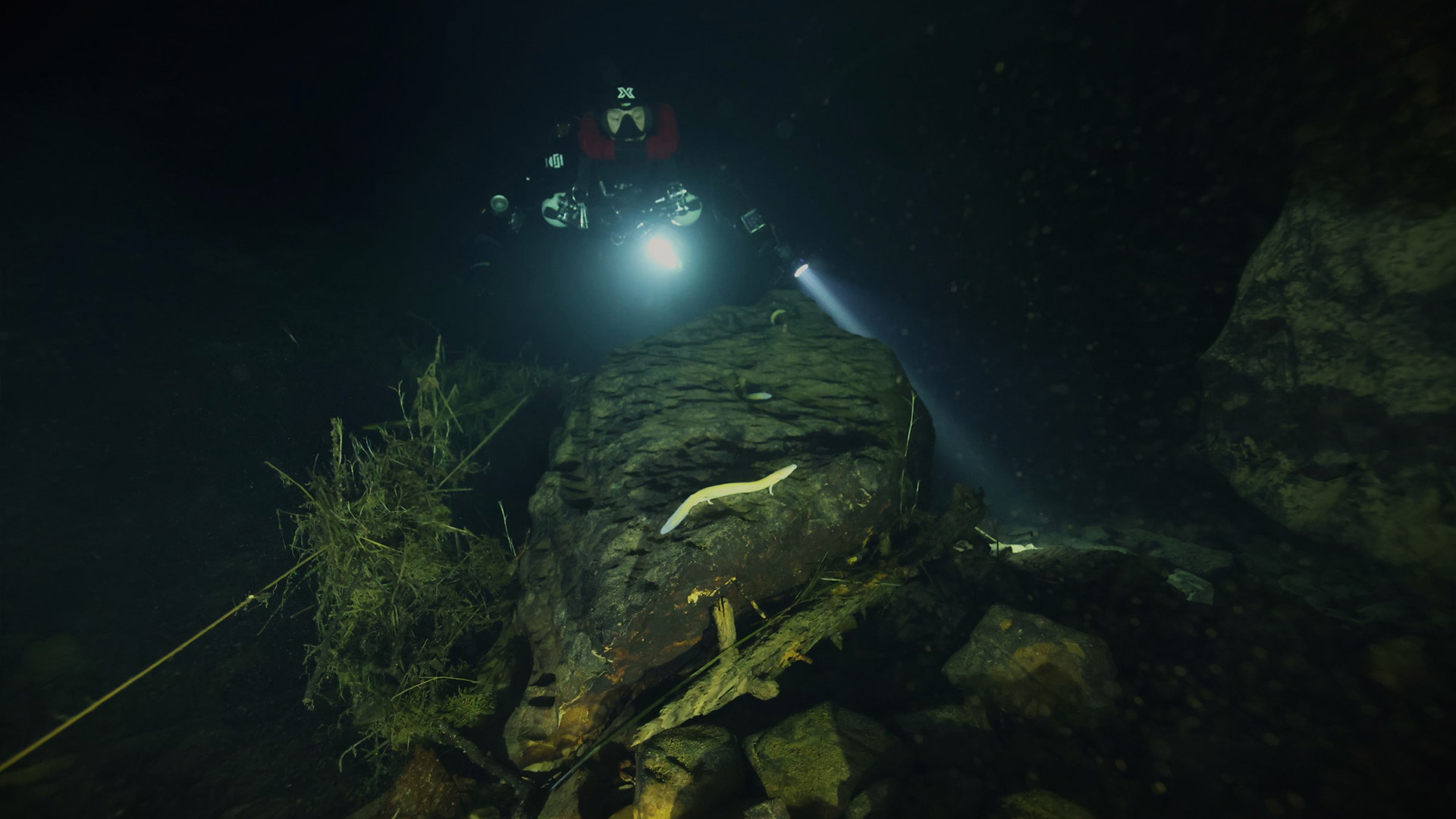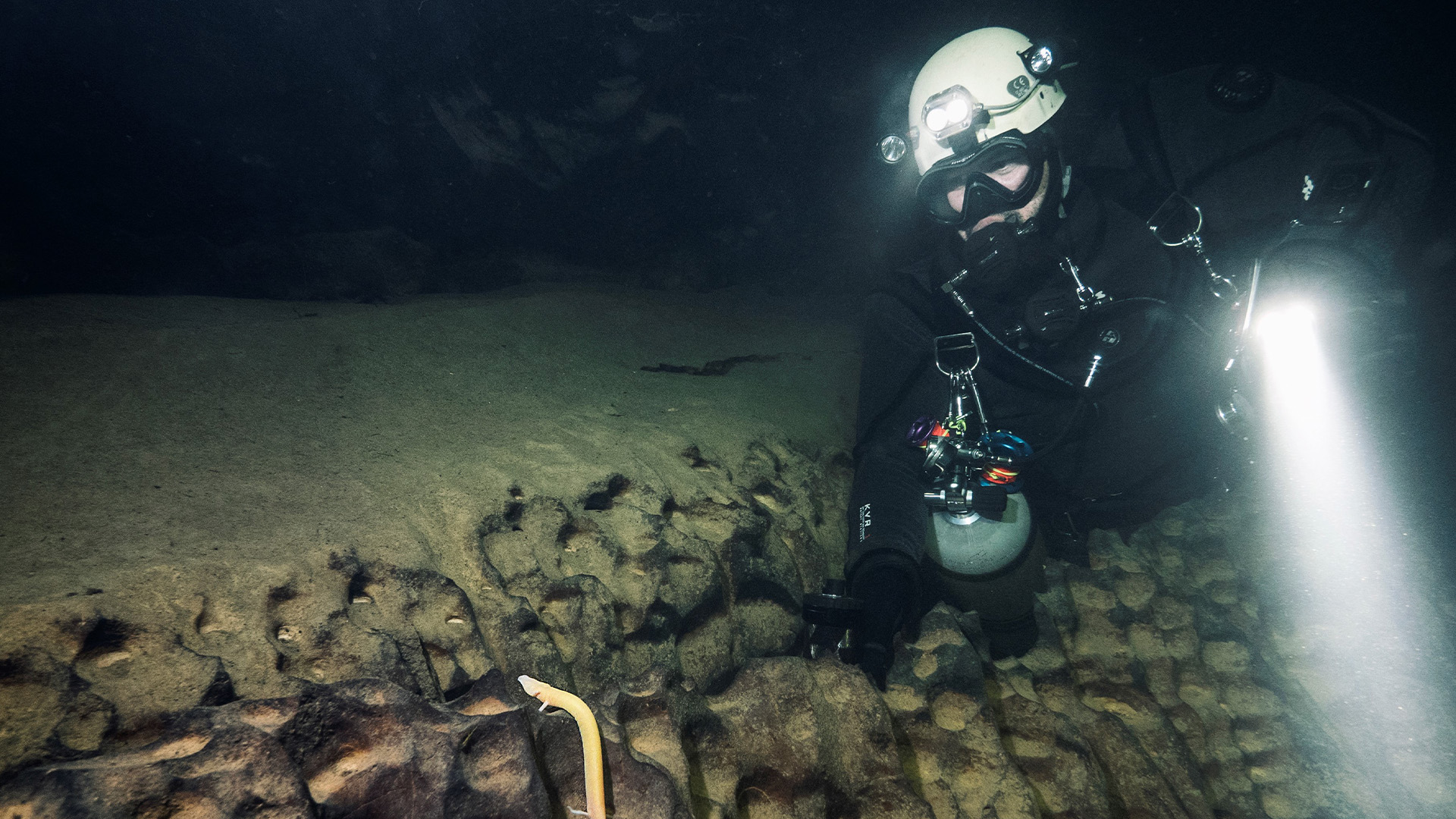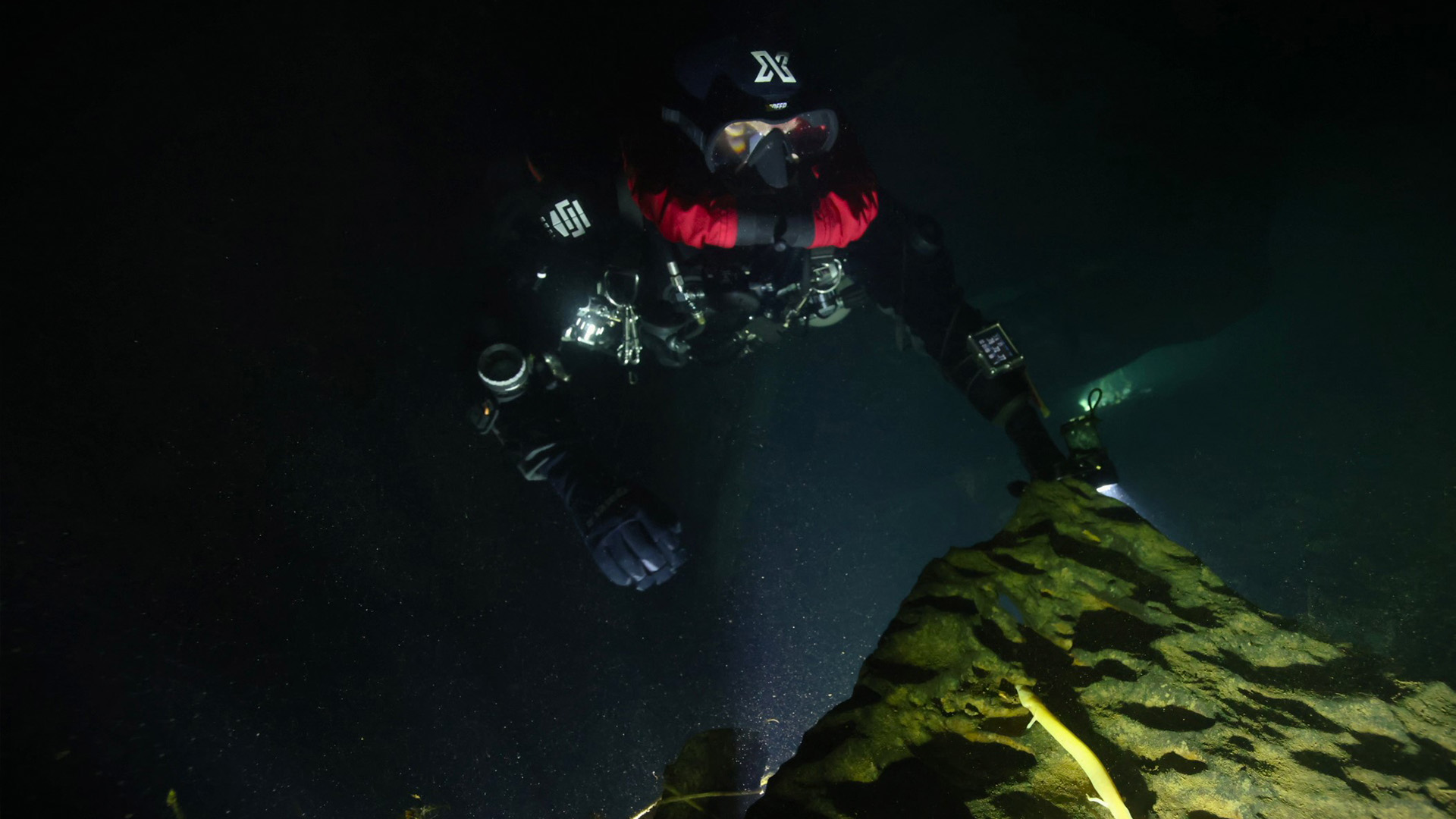

Caves are extraordinary habitats that serve as living laboratories for studying evolutionary processes, hosting unique and endemic species. Among these is the Proteus, an endangered amphibian with a lifespan of up to 90 years, residing in the underground waters of the Dinaric karst, spanning Italy, Slovenia, Croatia, and Bosnia and Herzegovina. Known as the only European troglobiont vertebrate, this "living fossil" faces numerous threats from pollution and invasive species. Despite laboratory research in countries like France, Germany, and Slovenia, direct studies of Proteus in its natural subterranean habitat, particularly through cave diving, are rare and invaluable.
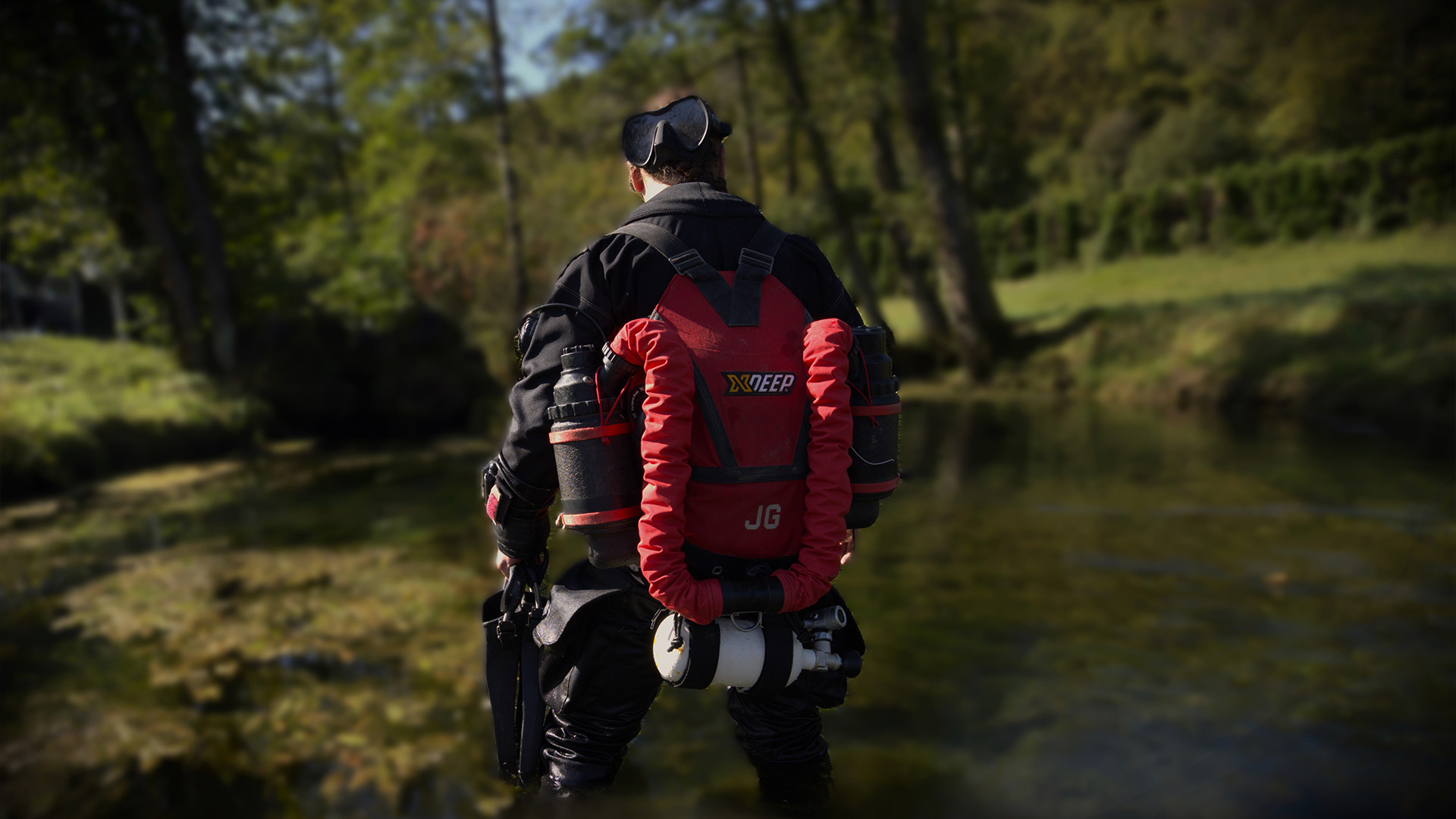
Since 2013, the Proteus Conservation Project in Croatia has sought to close this knowledge gap. Spearheaded by researchers Petra Kovač Konrad and Dušan Jelić, the project monitors Proteus populations at ten different locations in Croatia's karst regions. With funding from multiple institutions, the project addresses critical questions about Proteus behavior, habitat preferences, and population dynamics. Notably, the project has been proudly supported by the XDEEP Exploration Support Program, which has provided critical backing for the demanding logistical and technical aspects of the fieldwork.
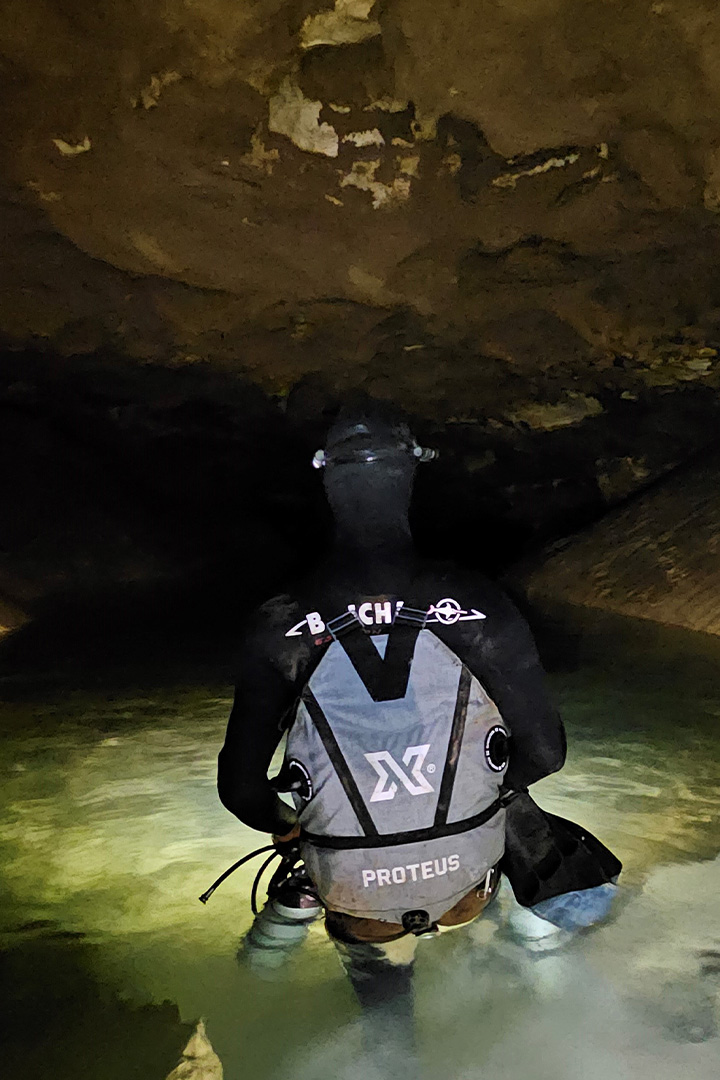
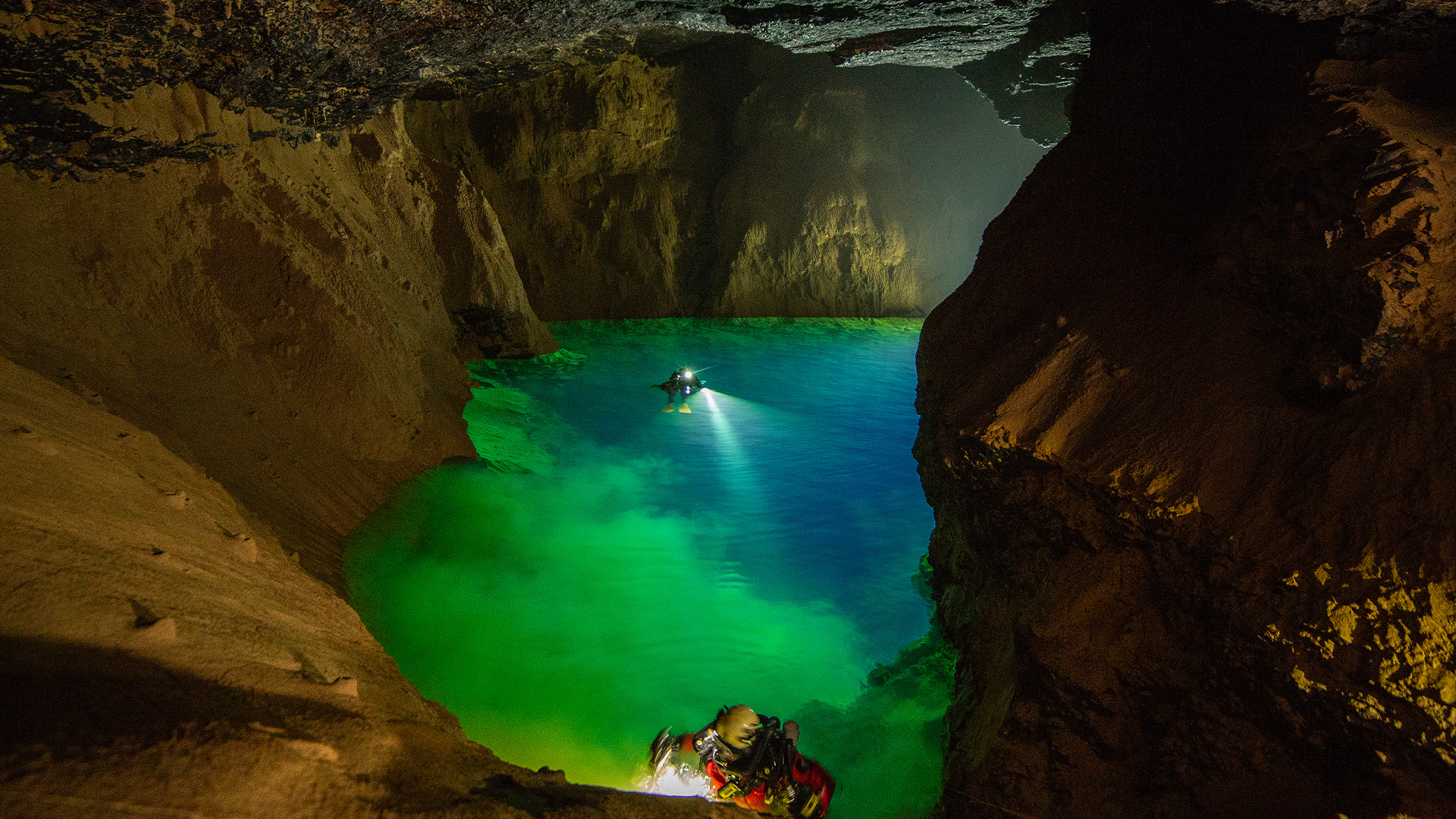
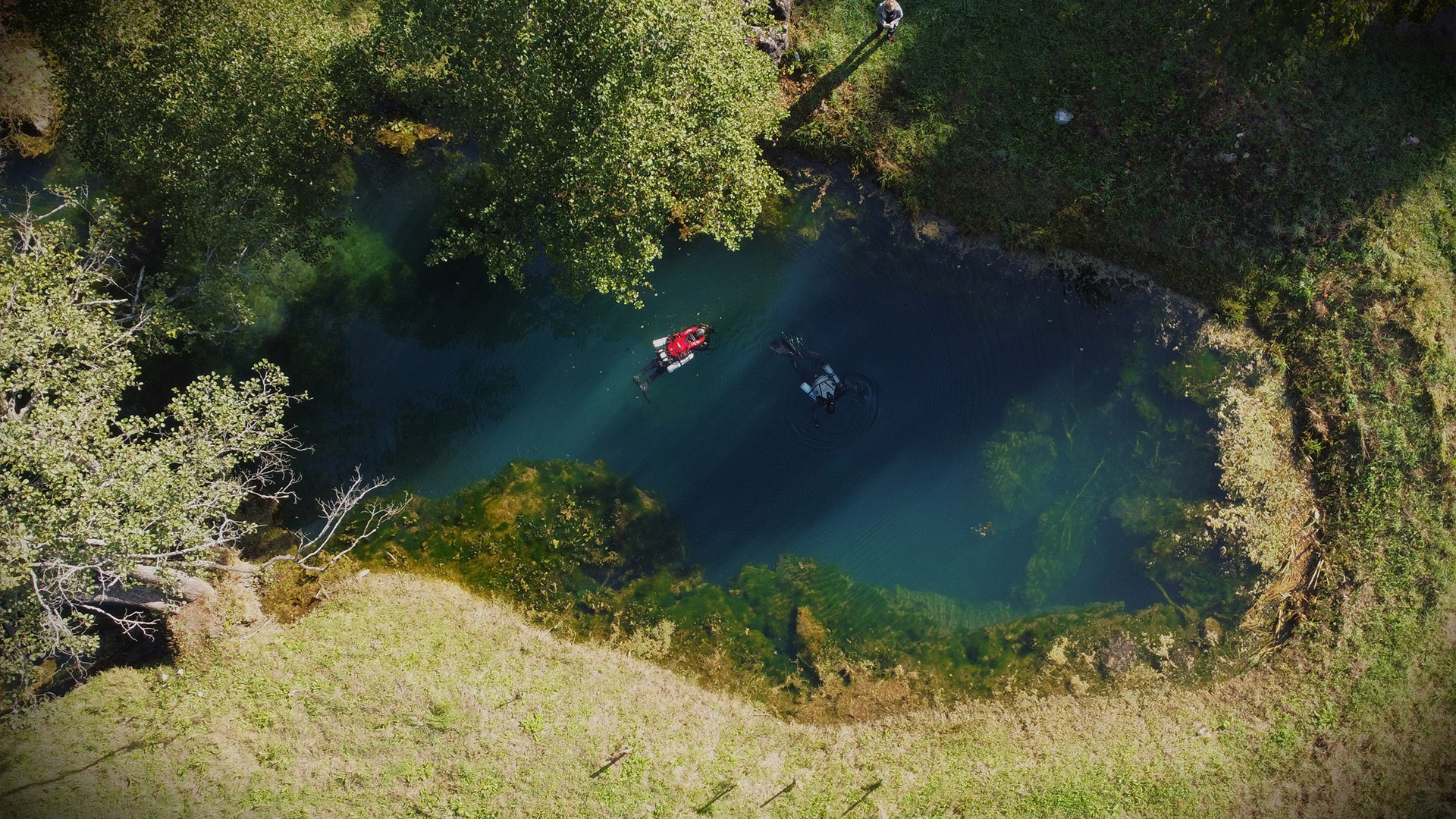
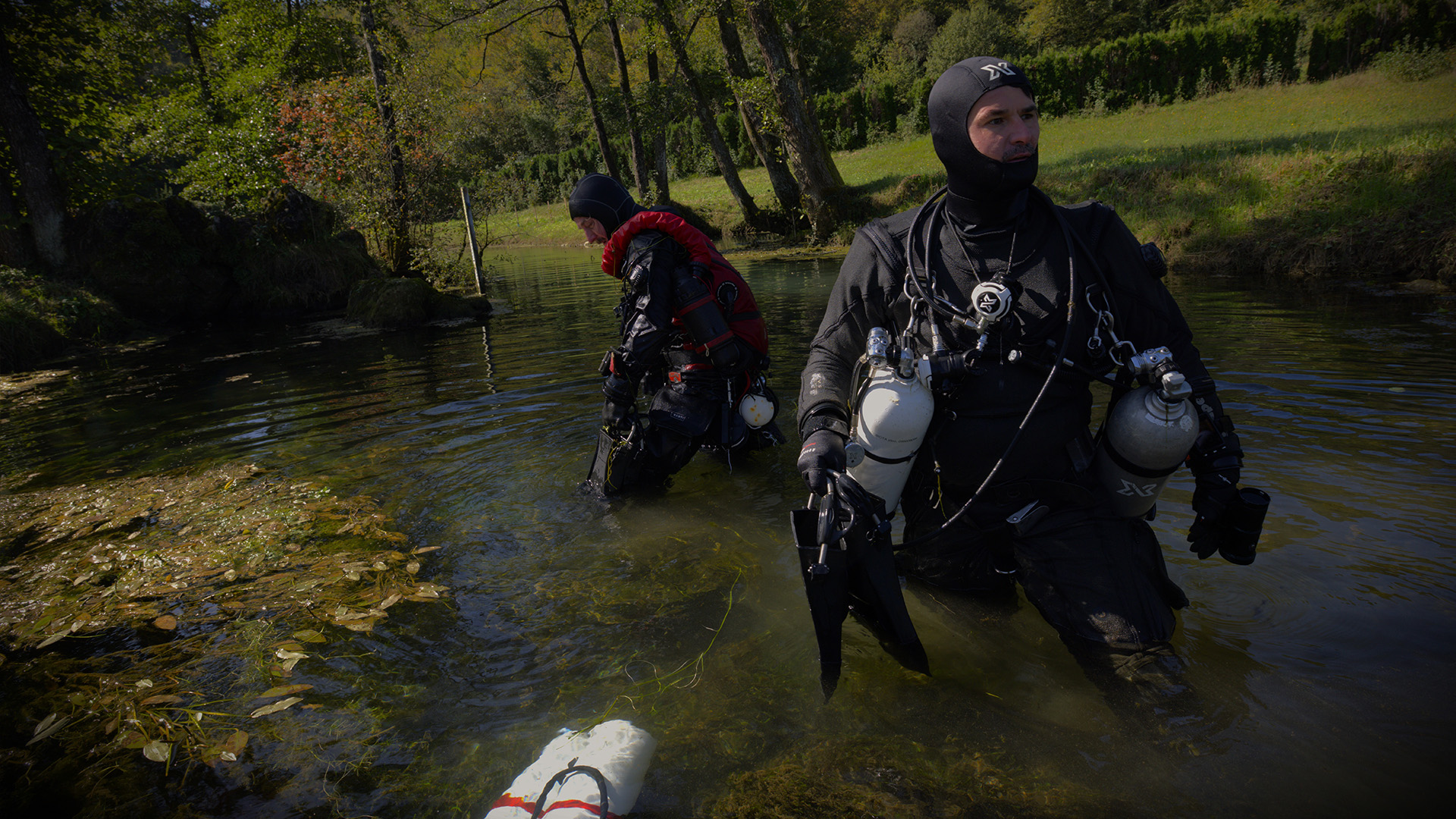
Monitoring these caves involves repeated visits by cave divers throughout the year, combining biological transect techniques with precise cave mapping to estimate population sizes. However, due to Proteus' exceptional longevity and slow reproduction rate - individuals reproduce only once or twice in their lifetimes - detecting population changes requires monitoring over decades. Alarmingly, even within the project's first decade, researchers observed a decline in one cave's population, highlighting the urgency of conservation efforts.
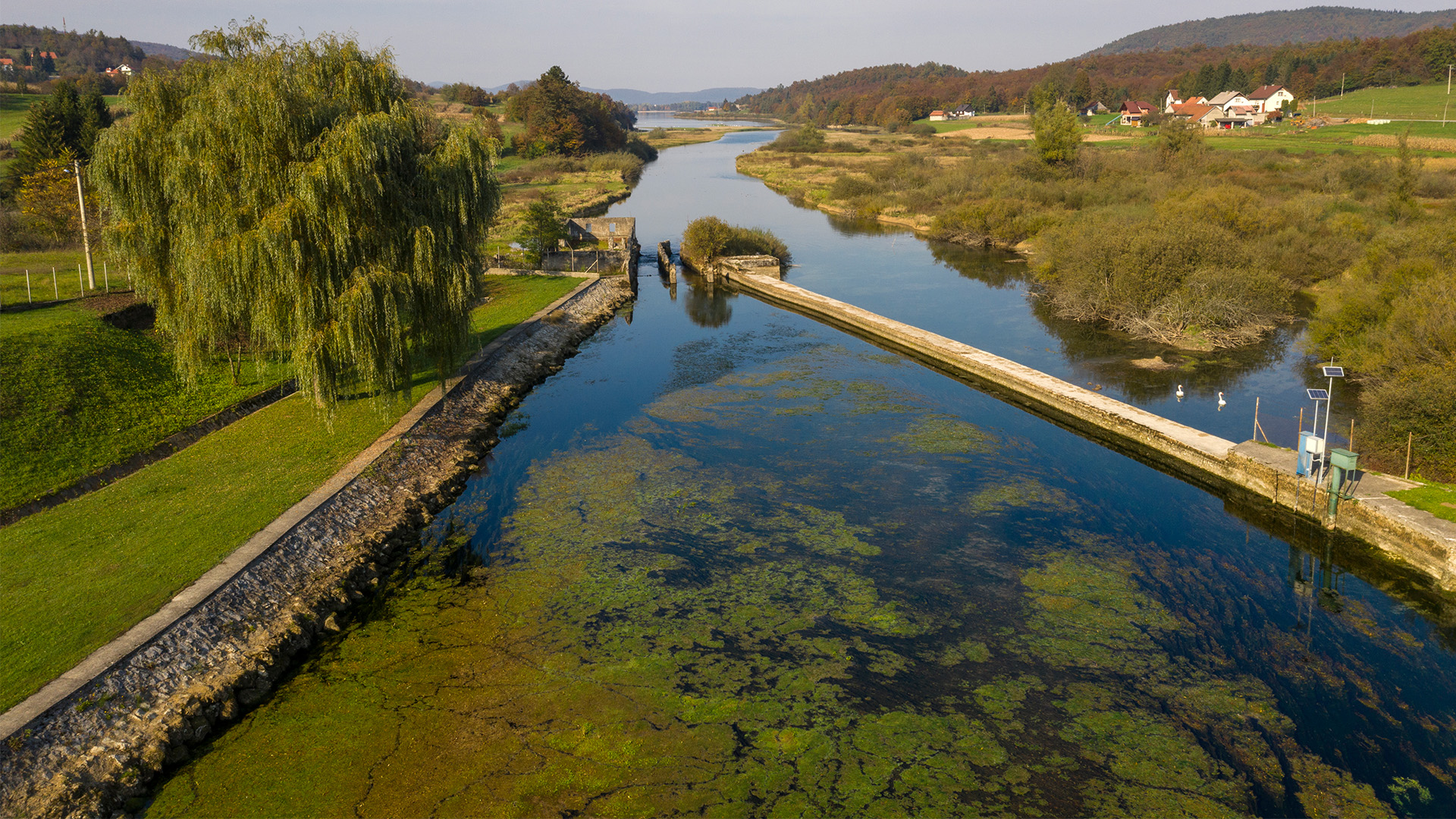
A major challenge has been invasive fish species, introduced through sport fishing into surface lakes and ponds. These predators have been found over a kilometer deep into caves, feeding on native cave fauna and threatening the ecosystem's balance. Additionally, pollution and habitat degradation exacerbate the risks to Proteus populations.
The exploration of Zagorska Peć was a key milestone for the project. In this cave, divers Frederic Swierczynski, Petra Kovač Konrad, and Peter Slokan discovered the deepest recorded Proteus at 120 meters, expanding the known range of the species. Such findings underscore the importance of continued exploration and monitoring.
Proteus’ unique biology, including its slow metabolism and infrequent feeding, makes it a challenging species to study. Nevertheless, the project represents a foundational effort in understanding and protecting this remarkable species and its subterranean habitat. Thanks to the ongoing support of the XDEEP Exploration Support Program, researchers have been able to push the boundaries of Proteus conservation, ensuring that this species remains a focus of both scientific study and conservation action. Through collaboration and sustained research, the Proteus Conservation Project aims to ensure the survival of one of Europe’s most enigmatic and endangered amphibians.
When diving a new cave, we always hope to find Proteus. It was a surprise that the longest known submerged system - over 1400 meters - had none. Most likely, the artificial lake nearby allowed fish to invade the cave and eliminate the entire native ecosystem. Still, over 14 years, we’ve discovered three new Proteus caves, and we’re not done yet.
Petra Kovač-Konrad, Explorer
01.06 - 30.10.2024
To investigate several key questions:

It's your contribution!
By choosing the brands involved in our program for your personal diving, you directly contribute to the support we can provide to ESP divers around the world. Every little bit counts towards reaching our goals.
Thank you!
How to apply?
Share your vision with us. We want to support adventures, explorations, and projects that deepen the understanding of the underwater world.